
The compounding cost of deferred maintenance in custom platforms
Maintenance is not housekeeping. It is how a platform stays releasable. Once updates, dependency hygiene, environment drift, and architecture reviews keep getting delayed, the system becomes slower to change and more expensive to trust.
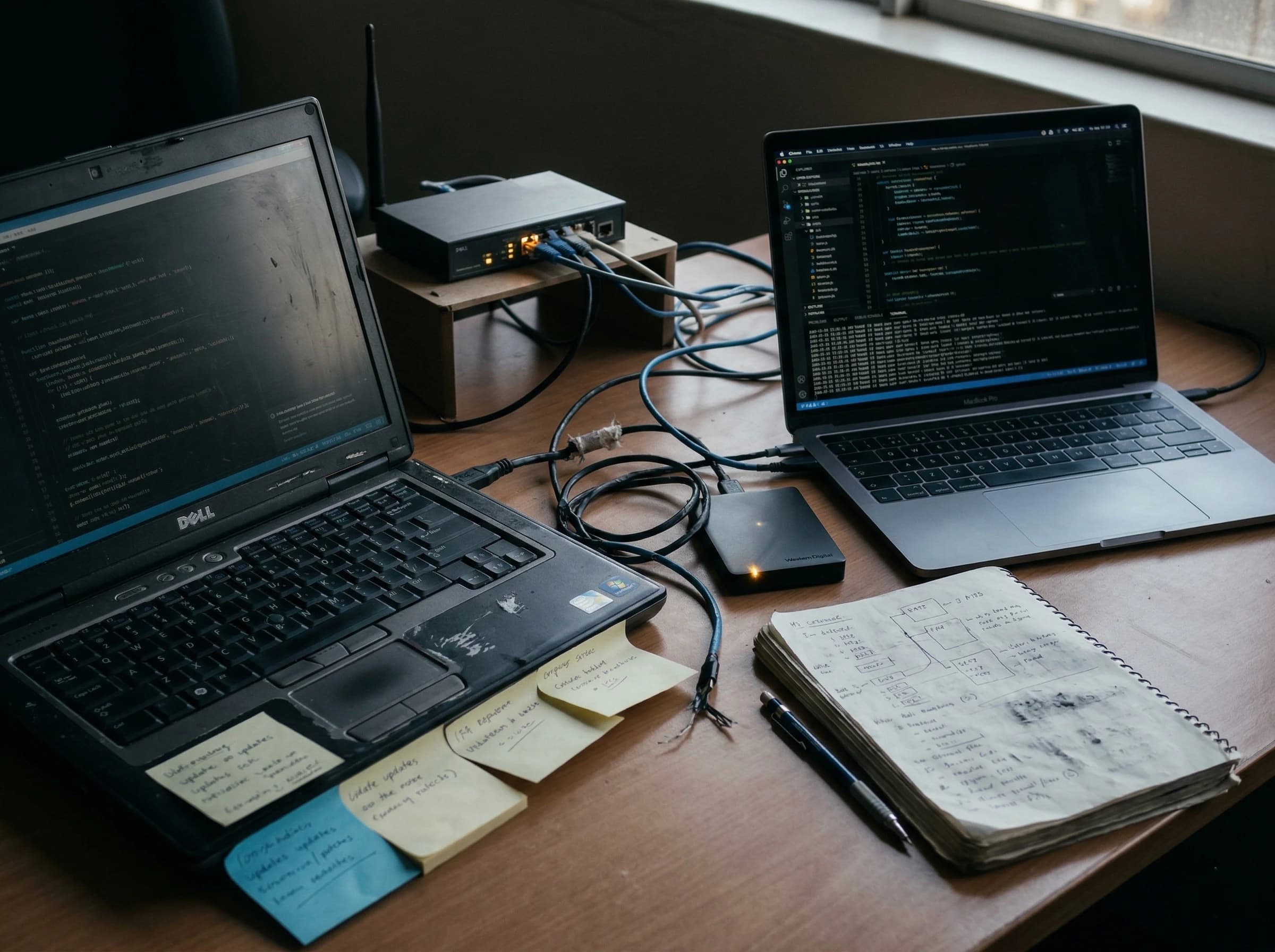
Maintenance is a delivery function, not overhead
The strongest engineering teams do not separate delivery speed from system health. DORA's work on software delivery performance has consistently shown that well-run teams improve throughput and stability together. Planned maintenance supports that outcome because the system stays understandable, secure, and easier to release.
Security guidance tells the same story from a different angle. OWASP continues to classify vulnerable and outdated components as a major application risk. If the stack depends on old libraries, weak upgrade paths, or abandoned packages, every release starts carrying hidden risk before the team even touches a feature.
How the cost compounds
Deferred maintenance rarely announces itself dramatically in month one. It usually arrives as little delays: one patch skipped, one framework jump postponed, one database concern left for later, one warning tolerated because the team is busy shipping. The problem is accumulation. Each delay changes the shape of the next upgrade.
For lean South African teams, the effect is harsher because specialist capacity is not sitting idle in the background. When knowledge is concentrated in one person or one supplier, the backlog of maintenance work quietly becomes a backlog of release risk as well.
What usually starts getting more expensive
- Regression testing before every release because the dependency tree is no longer trustworthy.
- Longer onboarding time for new developers or agency partners.
- Emergency work after security advisories or infrastructure deprecations.
- The inability to separate a small change from a larger technical clean-up effort.
A sane maintenance rhythm
Good maintenance does not need to feel dramatic. It needs to feel regular. The point is to keep platform health visible enough that fixes happen while they are still small.
“A system that is not being maintained is not standing still. It is degrading on schedule.”
A pragmatic cadence for most custom platforms
- Monthly dependency and security review with clear ownership.
- Quarterly performance, logging, and query checks on the journeys that matter commercially.
- Twice-yearly review of framework, hosting, and third-party roadmap changes.
- Annual architecture baseline audit to decide what should be simplified, retired, or rebuilt next.
Buy capability, not retainer theatre
A useful maintenance arrangement has scope, reporting, owners, and decision rules. You should know what gets reviewed, what gets patched, what gets escalated, and what gets postponed deliberately. Anything softer than that tends to become comfort language instead of operating discipline.
If the system matters commercially, budget for its releasability. That is a better spend than waiting until the next crisis forces a rushed migration or a panicked support cycle.
Referenced for this article